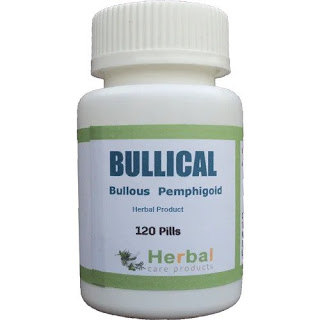
If you are looking for an alternative to traditional Natural Treatment for Bullous Pemphigoid, consider Herbal Remedies for Bullous Pemphigoid. These natural remedies can be used to help heal and soothe your skin, providing relief from the blistering and discomfort associated with this condition. In this blog post, we will look at some of the most popular herbal remedies for Bullous Pemphigoid, their benefits and how to use them for effective treatment.
Aloe vera
Aloe vera is a popular Natural Remedies for Bullous Pemphigoid. Aloe vera has anti-inflammatory properties, which can help reduce the inflammation associated with bullous pemphigoid. It also has moisturizing and soothing qualities that can help keep the affected skin hydrated and comfortable. To use aloe vera for treating bullous pemphigoid, you can apply a thin layer of pure aloe vera gel to the affected areas of skin two or three times daily. You can find aloe vera gel in most health food stores, or you can purchase an aloe vera plant and squeeze out the gel yourself. You should always be sure to use 100% pure aloe vera gel, as some products may contain added ingredients that could irritate your skin. If you experience any burning or itching when using aloe vera, discontinue use immediately.
Calendula
Calendula is a type of flowering herb that has been used for centuries to treat a variety of skin issues. It is believed to be especially effective in the Best Treatment of Bullous Pemphigoid due to its anti-inflammatory and healing properties. Calendula helps to reduce inflammation, promote healing, soothe itchy skin and reduce pain associated with this condition. It can be taken orally in the form of tinctures, capsules or tablets, or applied topically as an ointment or cream.
Calendula is a natural antiseptic that helps to reduce bacteria and keep the skin clean and clear. Its anti-inflammatory properties make it a great choice for relieving the swelling and itching associated with bullous pemphigoid. It also helps to speed up the healing process by increasing circulation and preventing further damage to the skin.
how to treat bullous pemphigoid naturally, consider using calendula. Whether taken orally or applied topically, it can provide relief from the uncomfortable symptoms and help your skin heal faster. Be sure to consult your healthcare provider before beginning any herbal treatment, especially if you are taking other medications.

Chickweed
Chickweed, also known as stellaria media, is a powerful herb used in Herbal Care Products to treat a wide variety of skin conditions, including bullous pemphigoid. It has anti-inflammatory and antimicrobial properties, which make it an excellent choice for soothing and healing irritated skin. Chickweed can be taken internally in the form of a tea or tincture, or it can be applied topically as a salve or ointment. To make a tea, add 1 teaspoon of dried chickweed to 1 cup of boiling water and steep for 10 minutes. For an ointment, combine 1 teaspoon of dried chickweed with 1 tablespoon of almond or olive oil and 1 tablespoon of beeswax. Apply the mixture to the affected area several times a day. You can also buy ready-made salves, tinctures, and teas made from chickweed. With regular use, this herb can help reduce redness and inflammation caused by bullous pemphigoid.
Echinacea
Echinacea is an herb that has been used in traditional medicine for centuries. It is believed to have anti-inflammatory, antiviral and immune-enhancing properties, making it a potential treatment for bullous pemphigoid.
Studies have shown that Echinacea can reduce inflammation and decrease the size of blisters associated with bullous pemphigoid. Additionally, some studies have suggested that Echinacea may be beneficial in reducing the number of antibodies in the bloodstream which can trigger the autoimmune response.
Echinacea is available in a variety of forms including teas, capsules, tinctures and topical creams. To treat bullous pemphigoid, it is best to take Echinacea orally or apply it topically in a cream or ointment form.
When taken orally, Echinacea should be taken for at least 4 weeks for optimal results. However, it is important to note that long-term use of this herb is not recommended and should only be used as a short-term treatment.
When applied topically, it is best to use a cream or ointment with natural ingredients such as aloe vera and vitamin E, as these can help to soothe the skin and reduce inflammation. Additionally, it is important to note that Echinacea should not be applied directly to open wounds or blisters as it can cause further irritation.
Overall, Echinacea may be an effective treatment for those suffering from bullous pemphigoid. It can reduce inflammation and decrease the size of blisters, however it is important to discuss any herbal treatments with your doctor before starting them.